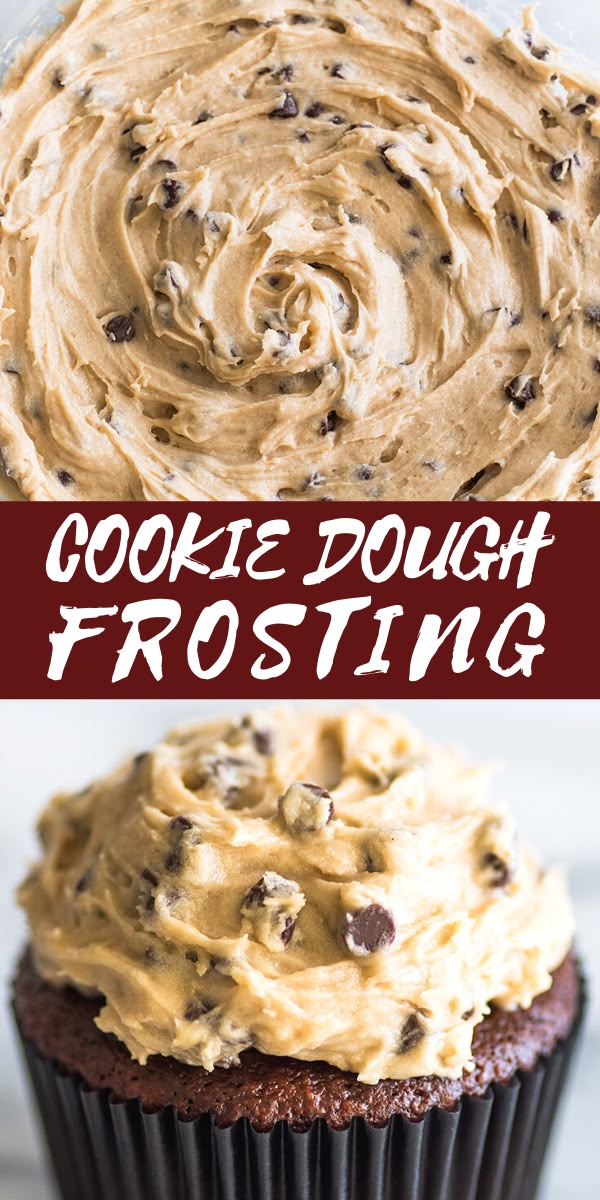
Easy Small-Batch Cookie Dough Frosting: Your Dream Dessert Topping
Imagine the pure bliss of indulging in spoonfuls of raw cookie dough, but without a single worry about safety. Now, picture that irresistible flavor and texture transformed into a velvety, spreadable frosting. Welcome to the world of
small batch cookie dough frosting – a culinary revelation that captures the essence of homemade cookies in their most tempting, unbaked form. This isn't just any frosting; it’s an ode to that nostalgic, comforting taste of unbaked dough, meticulously crafted to be safe, smooth, and utterly delightful for any dessert. Perfect for when you need just enough to crown a few cupcakes, adorn a handful of cookies, or simply satisfy a sudden craving, this recipe delivers big on flavor with minimal fuss.
If you've ever found yourself irresistibly drawn to the mixing bowl after whipping up a batch of chocolate chip cookies, longing to dive in before they hit the oven, then this frosting is truly for you. It embodies all the sweet, buttery, and slightly earthy notes of classic cookie dough, minus the raw eggs and with a crucial, simple step to ensure flour safety. The result is a creamy, dreamy confection that elevates ordinary treats into extraordinary indulgences.
Why Small-Batch Cookie Dough Frosting Is Your New Favorite Indulgence
The beauty of a
small batch cookie dough frosting recipe lies in its sheer convenience and mindful indulgence. In a world often focused on large-scale baking, the joy of a smaller yield is often overlooked. This approach is ideal for countless scenarios:
* **Minimizing Waste:** No more overflowing bowls of leftover frosting destined for the bin. A small batch ensures you use what you make, reducing food waste and ingredient costs.
* **Perfect for Smaller Projects:** Whether you're baking a modest half-dozen cupcakes for a weeknight treat, decorating a few cookies for a thoughtful gift, or simply want a luscious topping for a couple of brownies, a small batch is perfectly proportioned. Typically, this recipe yields about one cup of frosting, enough to generously pipe onto four to six cupcakes or spread over eight cookies.
* **Freshness Factor:** Fresher frosting always tastes better. Making it in smaller quantities means you’re often enjoying it at its peak, maximizing flavor and texture.
* **Instant Gratification:** Craving cookie dough? This frosting comes together quickly, satisfying those urgent dessert desires without committing to a full baking spree.
* **Controlled Portions:** For those mindful of portion sizes, a small batch allows for just the right amount of decadent topping without going overboard.
This particular cookie dough frosting is not just practical; it’s an experience. It truly tastes like an extra creamy batch of cookie dough, ready to be spread over your favorite baked goods, or even enjoyed directly from the spoon.
The Secret to Authentic Cookie Dough Flavor (and Safety!)
Achieving that unmistakable cookie dough taste in a frosting hinges on a few key ingredients and, importantly, a commitment to safety. The core components mimic traditional cookie dough: softened butter, rich brown sugar, fragrant vanilla extract, and yes, flour. Many people might find flour an unusual ingredient for frosting, but it’s absolutely essential for achieving that authentic cookie dough essence. Just as flour contributes texture and structure to baked goods, it also imparts a subtle, distinctive flavor that is integral to the taste of raw cookie dough. In fact, flour has a long history in frosting, notably as a thickener in "Flour Buttercream," also known as Ermine Frosting, which is a classic for red velvet cake.
However, the question of safety naturally arises, especially concerning raw flour and raw eggs. Here’s how this
safe cookie dough frosting recipe addresses those concerns:
1. **No Raw Eggs:** Unlike traditional cookie dough, this frosting recipe inherently contains no raw eggs, eliminating that particular food safety risk right from the start.
2. **Heat-Treating the Flour:** This is the most crucial step for creating truly safe edible cookie dough, whether in frosting or by itself. Raw flour can harbor harmful bacteria like E. coli. While the risk is often small, it's easily preventable.
*
How to Heat-Treat Flour:
* **Oven Method:** Spread your desired amount of all-purpose flour thinly onto a parchment paper-lined baking sheet. Bake at 350°F (175°C) for 10 minutes. This process effectively kills any potential bacteria.
* **Cool and Sift:** After baking, allow the flour to cool completely. Baked flour tends to clump, so it's vital to sift it thoroughly afterward to remove any lumps. This ensures a smooth, grainy-free frosting texture.
* **Microwave Method (Alternative):** Place flour in a microwave-safe bowl. Heat on high in 30-second intervals, stirring between each, until it reaches 160°F (71°C) (use an instant-read thermometer). This typically takes 1-2 minutes for a small amount. Ensure it cools completely before use.
*
Store-Bought Heat-Treated Flour: Some brands now offer flour that is already heat-treated, providing an even more convenient option.
By following this simple heat-treating step, you transform regular flour into a safe and delicious ingredient, ready to contribute to the authentic flavor profile of your
small batch cookie dough frosting. For more insights on this crucial step, check out our article on
No-Bake Edible Cookie Dough Frosting: Safe Flour Secret.
Crafting the Perfect Creamy Texture: Tips for Success
Beyond safety, the texture of your
creamy cookie dough frosting is paramount. You want a luscious, spreadable consistency that melts in your mouth, not a grainy or stiff one. Achieving this perfect texture involves careful attention to a few key techniques and ingredient conditions:
*
Properly Softened Butter is a MUST: This cannot be stressed enough. Your butter should be genuinely softened, but not melted. It should give slightly when pressed with a finger, leaving an indentation, but not be greasy or shiny. If your butter is too cold, it won't cream properly with the sugar, leading to a lumpy or grainy frosting. If it's melted, the frosting will be too thin and won't hold its shape. Ideally, let it sit at room temperature for about 30-60 minutes before starting.
*
Creaming Power: The process begins by creaming together the softened butter and brown sugar until light and fluffy. This incorporates air, which is crucial for a light texture, and ensures the sugar dissolves somewhat into the butter, preventing a gritty feel. Beat them together for a good 2-3 minutes until the mixture is visibly lighter in color and airy.
*
Vanilla Infusion: Add vanilla extract and beat just until combined. Use good quality vanilla for the best flavor impact.
*
Incorporating Flour: Gradually beat in your *cooled and sifted* heat-treated flour along with a pinch of salt. Mix on low speed until just combined to avoid overworking the flour, which can lead to a tougher texture.
*
The Liquid Lifeline: This is where the cookie dough transforms into frosting. Drizzle in a small amount of milk or cream. Start with a tablespoon and add more as needed, beating until the frosting reaches your desired consistency. The liquid helps to lighten the mixture, making it smooth, spreadable, and truly fluffy. Use whole milk or heavy cream for the richest result.
*
Whip for Fluffiness: Once all ingredients are in, beat the frosting on medium-high speed for another 2-3 minutes. This final whip incorporates more air, creating that wonderfully light and airy texture characteristic of a great buttercream.
*
Fold in the Chips: Gently fold in your chosen chocolate chips or other mix-ins by hand. Mini chocolate chips are often preferred as they distribute more evenly and are easier to pipe through a pastry bag without clogging.
Following these steps will ensure your
small batch cookie dough frosting is not only safe but also perfectly smooth, creamy, and irresistible.
Beyond Cupcakes: Creative Uses for Your Small-Batch Masterpiece
While this frosting is phenomenal on cupcakes – especially chocolate or vanilla varieties – its versatility extends far beyond. The possibilities for enjoying your
small batch cookie dough frosting are virtually endless:
*
Brownie Bliss: Spread a generous layer over fudgy brownies for an ultimate comfort food combo.
*
Cookie Companions: Transform simple sugar cookies or even plain chocolate chip cookies into extraordinary delights by topping them with this frosting. It also makes a fantastic filling for sandwich cookies.
*
Cake Layering: Use it as a delightful filling between cake layers for a unique take on a classic dessert.
*
Dipped Delights: Serve it as a dip for fresh fruit (strawberries, apple slices), pretzels, graham crackers, or even shortbread fingers.
*
Waffles & Pancakes: A dollop on top of warm waffles or pancakes? Absolutely!
*
Straight from the Spoon: Let's be honest, sometimes the best way to enjoy cookie dough frosting is simply by the spoonful, a pure moment of unadulterated pleasure.
For more inspiration on pairing this versatile topping with various desserts, read our article
Small-Batch Cookie Dough Frosting: Perfect for Any Dessert.
**Storage Tips:** Store any leftover
small batch cookie dough frosting in an airtight container in the refrigerator for up to a week. Before using, allow it to come to room temperature and give it a quick whip with a hand mixer to restore its creamy consistency. You can also freeze it for up to a month; just thaw in the refrigerator overnight and re-whip before serving.
Conclusion
The appeal of cookie dough is universal, a nostalgic flavor that brings back childhood memories of illicit spoonfuls from the mixing bowl. This
easy small-batch cookie dough frosting allows you to relive that joy safely and conveniently. By mastering the simple art of heat-treating flour and understanding the nuances of butter temperature and mixing, you unlock a world of creamy, dreamy possibilities. Whether slathered on cupcakes, swirled over brownies, or savored straight from the bowl, this safe and irresistible frosting is a game-changer for anyone who adores the taste of unbaked cookie dough. Give it a try, and prepare to fall in love with your new favorite dessert topping.